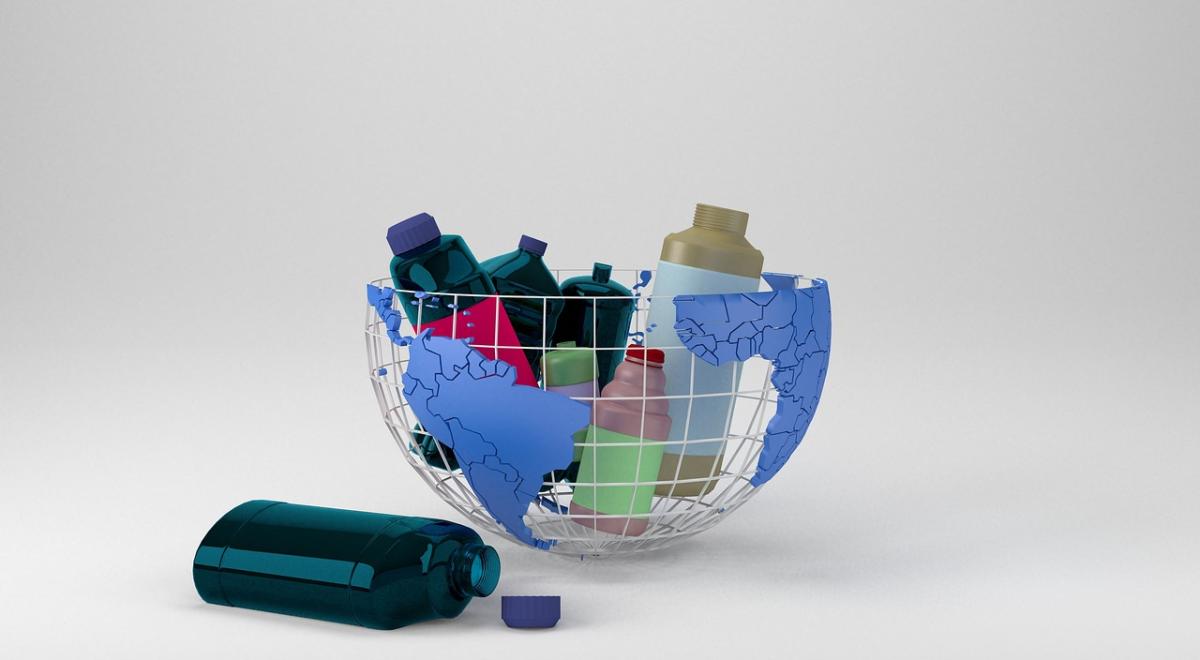
Reducing plastic waste doesn't have to be overwhelming! Here are some easy tips to help make a difference in your day-to-day life.
These small changes can have a big impact! By making a few simple swaps in your routine, you're not only helping the environment but also inspiring those around you to do the same. Let's work together to cut down on plastic waste!
Smart Swaps for Everyday Products
1. Reusable Water Bottles - Instead of buying bottled water, invest in a good-quality reusable water bottle. Not only will it save you money in the long run, but you’ll also reduce plastic waste. Look for stainless steel or BPA-free options that keep your drinks cold for hours!
2. Beeswax Wraps - Ditch the plastic wrap for beeswax wraps. They’re perfect for covering food, wrapping sandwiches, or storing leftover fruits and veggies. Plus, they’re washable and reusable, making them a friendly choice for the planet.
3. Cloth Shopping Bags - Bring your own cloth bags when you go shopping. It’s an easy way to cut down on plastic bags that end up in landfills. They’re usually more durable and can hold more items than standard plastic bags. Just keep a few in your car or by your front door so you’ll never forget them!
4. Shampoo Bars - Swap traditional shampoo bottles for shampoo bars. They’re compact, last a long time, and often come with minimal packaging. Plus, your hair will love the natural ingredients that are free from harsh chemicals!
Quick Changes to Make at Home
Making small changes at home can have a big impact on cutting down plastic usage. Here are some quick changes you can start implementing today:
These changes are simple to make and can really help reduce the plastic in your home. Plus, many of them can save you money in the long run. So, why not give them a try?
Simple Ways to Recycle Properly
Recycling might seem complicated, but it can be super easy with a few simple steps. First off, make sure your recyclables are clean. Rinsing off food containers before tossing them in the recycling bin helps prevent contamination, which can mess up the whole batch of recyclables. Just a quick rinse usually does the trick!
Next, know your local recycling rules. Every town or city has different guidelines about what can be recycled. Some places might take soft plastics, while others only accept hard plastics. Check with your local waste management or recycling center to get the lowdown on what they accept.
It’s also a good idea to sort your recyclables as you go. You can have separate bins at home for paper, plastics, and metals. This makes it much easier when you’re ready to drop them off. Plus, sorting can help you reduce the risk of accidently throwing something in the wrong bin!
Lastly, if you’re unsure about an item, don’t hesitate to look it up. There are plenty of websites and apps that can tell you whether an item is recyclable. Quick reference guides can help you make the right choice, saving you hassle in the long run. Happy recycling!
